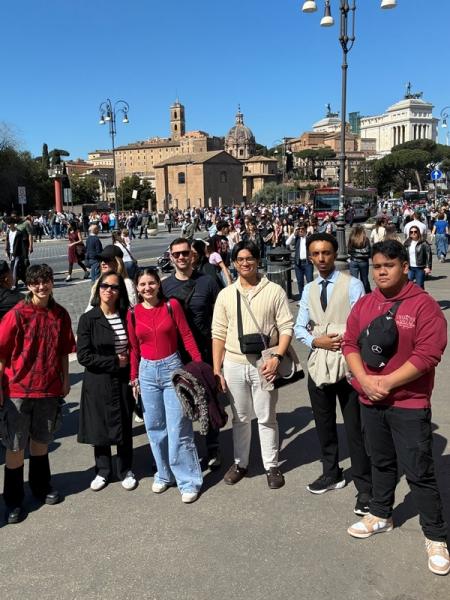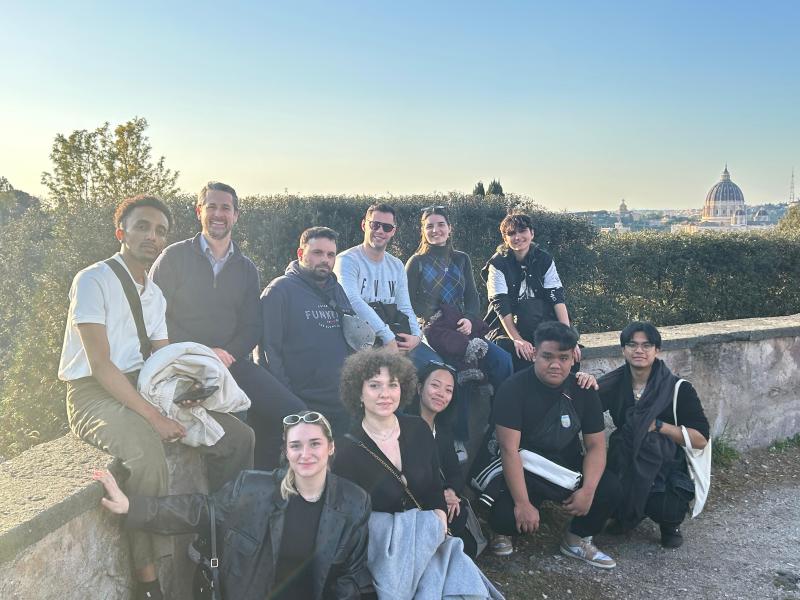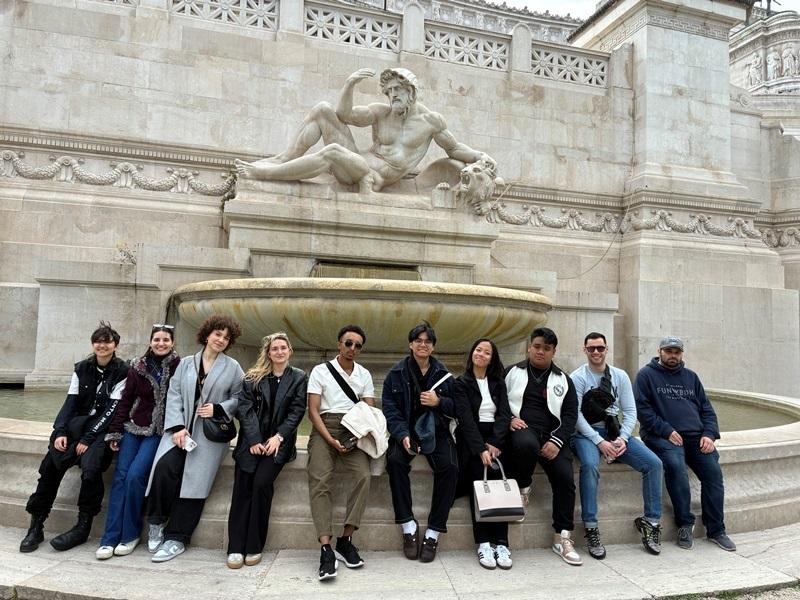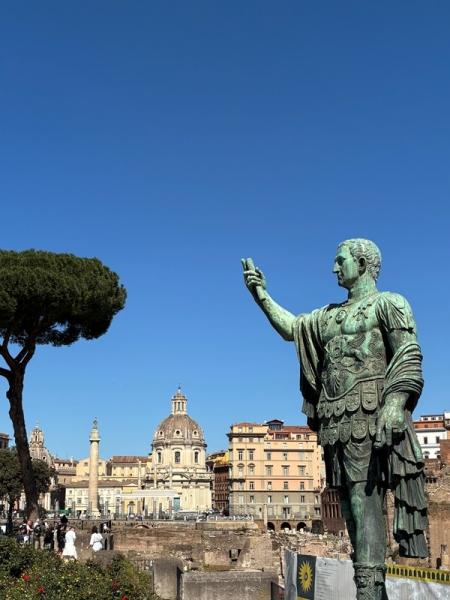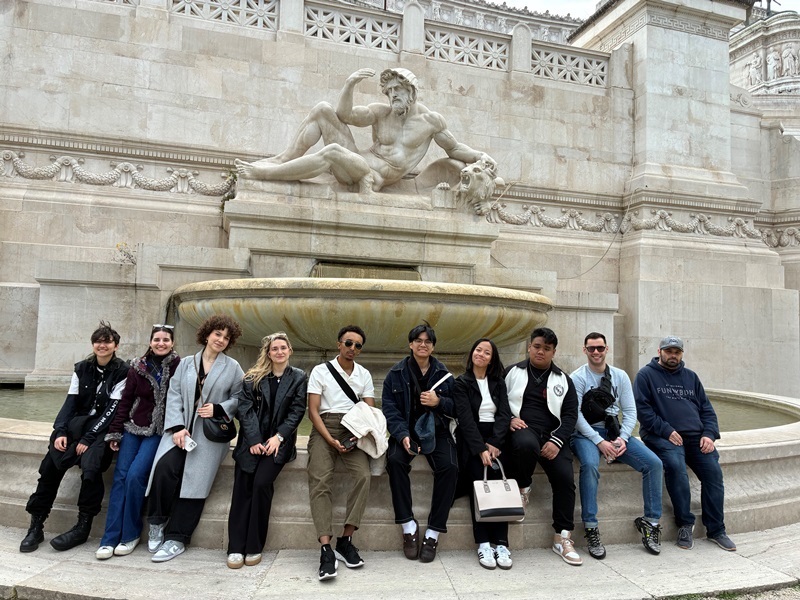
From April 2 to April 6, 2026, we successfully conducted the Spring Field Study “The Greco-Roman World: Ancient Rivals & Modern European Partners” offering undergraduate students a unique opportunity to explore the historical and contemporary connections between Greece and Italy. Developed in support of our international initiatives and the Politis Civic Engagement program, the field study immersed participants in the rich cultural and political landscape of Rome.
Set against the backdrop of one of the world’s most historically layered cities, the program examined the enduring relationship between Athens and Rome—two capitals that have shaped Western civilization. Students engaged with themes of cross-cultural exchange, cooperation, and rivalry, while reflecting on how these dynamics continue to influence modern European identities and urban futures.
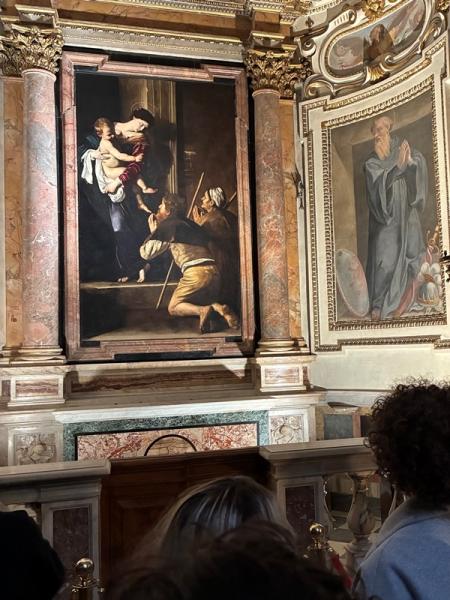
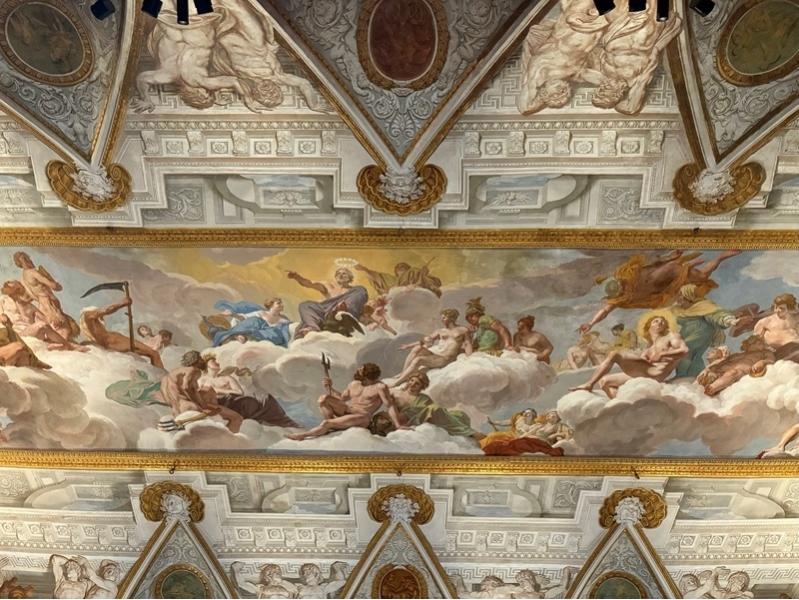
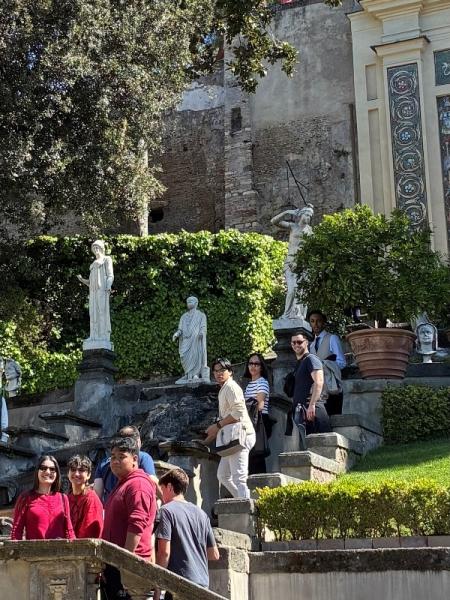
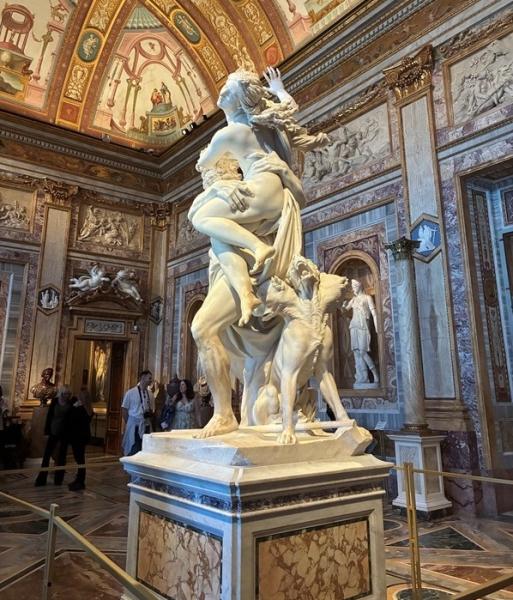
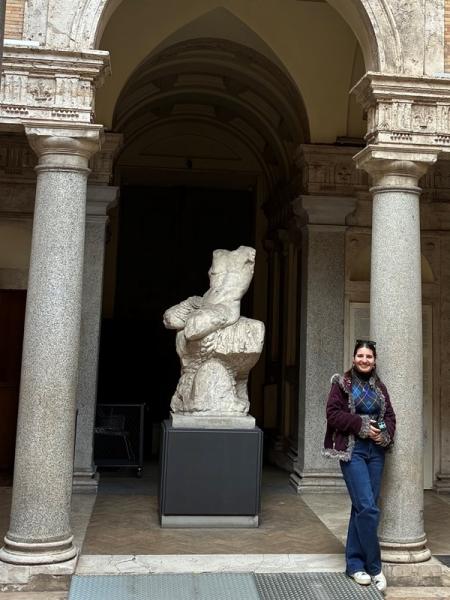
The academic experience was enriched through guided visits to major cultural institutions. Participants toured the Hellenistic and Eastern Mediterranean collections at the Barracco Museum of Ancient Sculpture, gaining insight into shared artistic and historical narratives. They also explored Baroque masterpieces inspired by Greek mythology at the Galleria Borghese and Palazzo Colonna.
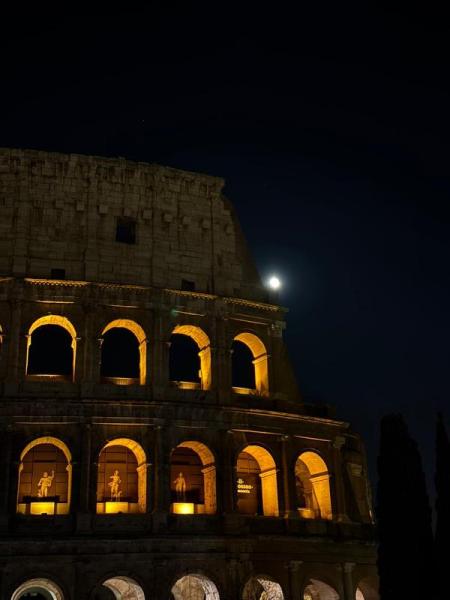
A key component of the program involved critical reflection on the urban and historical parallels between Rome and Athens. Students examined each city’s topography, relationship with water, layered histories, monumental architecture, and tourism-driven economies, fostering a deeper understanding of how ancient legacies inform contemporary urban life.
The visit coincided with Catholic Easter celebrations, allowing students to witness the spiritual and cultural significance of the season. Highlights included attending the Papal Mass in St. Peter’s Square and observing the “Urbi et Orbi” Easter address delivered by Pope Leo XIV.
The field study brought together students from diverse academic backgrounds—including Business, Informatics, and Psychology—encouraging interdisciplinary dialogue and collaborative learning. Through this experience, participants deepened their understanding of the Greco-Roman world while gaining valuable perspectives on the complexities of modern European societies.
Photo Gallery